


Readers who wish to pick an online casino with certainty need click for more info than marketing slogans. Reliable reviews concentrate on verifiable details such as licensing status, payout speed, game variety, and customer service quality. By examining these elements in a structured way, players can differentiate genuine value from promotional noise and make decisions that fit their playing habits and risk tolerance. A thorough review process also considers how each factor interacts with the others, creating a complete picture of the operator’s reliability and long-term suitability for different player profiles.
Comprehending Licensing and Regulatory Compliance
Each trustworthy casino maintains at least one licence from an authoritative regulatory authority. The licence number, issuing body, and expiry date should be displayed on the homepage footer or in the legal section. Players may verify the licence directly on the regulator’s public database, verifying that the operator meets requirements for fair games, responsible gambling tools, and secure handling of funds. When a licence is absent or unverifiable, users ought to treat the site with caution, without regard to bonus offers or visual design. Some regulators publish disciplinary records that reveal past violations, offering reviewers additional context about an operator’s compliance history and inclination to correct issues promptly.
Reviewers must also take into account whether the licence covers the specific jurisdiction where the player resides, because some authorities limit services to certain territories. Cross-border licences may create confusion if the regulator’s enforcement powers do not apply to the player’s country. In such cases, local consumer protection laws might offer limited recourse. Checking the licence scope prevents surprises when disputes arise and explains which legal framework governs the relationship between the player and the operator.
Evaluating Customer Support Response Times
Effective support minimizes frustration when account issues arise. Assessors should test response times across instant messaging, email, and voice channels during high-traffic and off-peak hours. The presence of multilingual agents, clearly communicated service hours, and a searchable help centre with step-by-step guides suggests a mature operation. Hold periods longer than a few minutes in live chat or unanswered emails within twenty-four hours indicate potential shortcomings in day-to-day service quality. Documenting each interaction with timestamps and agent names creates an auditable record that supports objective scoring.

Support quality also depends on the accuracy of information supplied. Evaluators should ask identical questions through multiple channels and compare consistency of answers. Inconsistent guidance on bonus terms or verification procedures suggests inadequate internal training. The presence of callback scheduling and escalation paths for unresolved complaints reveals whether the operator views support as a cost centre or as a core service component. These details help readers gauge long-term satisfaction beyond initial signup experiences.
Testing Mobile Functionality and User Experience
Most users now reach casinos through handheld devices or tablets. A adaptive site or dedicated app must open swiftly, show games without horizontal swiping, and sustain reliable connections during live dealer games. Reviewers should examine touch-screen interfaces, push notification calgaryherald.com settings, and battery drain under long play. Sites that require users to install large files or that crash under normal navigation lose points for simplicity and dependability. Checking on several operating systems, including older software releases, reveals compatibility issues that may affect a substantial portion of the player community.
Interface design influences how conveniently players discover games, control deposits, and use responsible gambling tools. Reviewers should assess the amount of taps necessary to finish common tasks and observe whether essential functions stay buried in sub-menus. Font dimensions, button margins, and colour difference influence legibility on smaller screens, specifically for players with visual impairments. Logging these observations helps readers anticipate daily usability rather than centering solely on promotional visuals that may not represent actual navigation flow.
Reviewing Bonus Arrangements and Wagering Obligations
Bonuses can extend playtime, yet their true value relies on attached conditions. Players must identify the wagering requirement, usually presented as a multiplier of the bonus amount, and record any game weighting that diminishes contribution from certain titles. Time limits, maximum bet limits during playthrough, and maximum cash-out caps should also be noted. Evaluating these figures across several operators shows which promotions actually improve the bankroll and which ones primarily serve marketing purposes. A detailed spreadsheet detailing each bonus component helps reviewers spot patterns that might otherwise remain hidden in lengthy terms and conditions.
Some operators apply different wagering multipliers to various bonus types, such as deposit matches versus free spins. Reviewers should scrutinize whether free spin winnings carry the same playthrough obligations as the initial deposit bonus or carry separate, often stricter, conditions. Hidden clauses may omit certain high-RTP games from contributing at all, effectively pushing players toward lower-return titles. Recording these exclusions allows readers to calculate realistic break-even points before agreeing to any promotional offer.
Reviewing Deposit Options and Payout Speeds
Payment flexibility impacts how quickly payouts reach a player’s account. Evaluators should enumerate supported funding choices such as credit cards, digital wallets, bank transfers, and, where present, cryptocurrencies. Also key are cashout durations, which generally span from instant for e-wallets to several business days for bank transfers. Fees, lower and upper thresholds, and KYC demands should be noted so customers can foresee any wait times or charges before making a deposit. Noting the precise identity proofs required during the initial payout provides insight into the operator’s KYC overhead and likely delays.
Testers should also check payment quickness during low-traffic periods to find out whether processing queues affect transaction times. Some providers prioritise fast payment channels while slower channels face hold-ups during weekend days or bank holidays. Currency conversion fees can diminish profits when users use foreign-currency cards, so testers should calculate actual conversion rates. Lastly, recording whether the site accepts prepaid vouchers or real-time banking options helps readers identify the easiest deposit method for their specific banking setup.
Assessing Game Selection and Software Providers
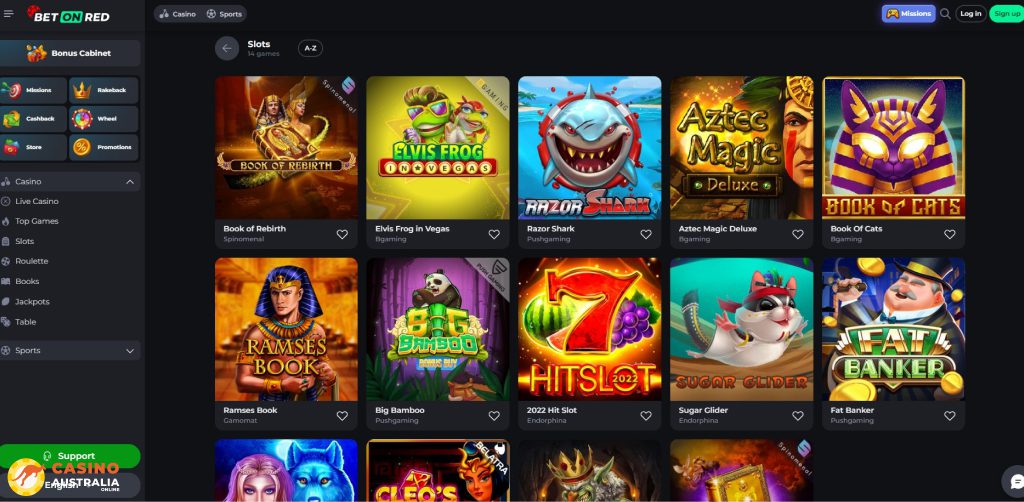
A casino’s catalogue dictates how long it can hold a player’s interest. Reputable sites display the number of titles available and the studios behind them, such as NetEnt, Play’n GO, Pragmatic Play, or Evolution for live dealer tables. Reviewers should check whether the portfolio contains popular slots, table games, video poker, and a dedicated live casino section. A balanced offering also presents regular releases from new studios, guaranteeing the catalogue does not become stale over time. Tracking release schedules over several months reveals whether the operator puts money in fresh content or relies on legacy titles that may no longer appeal modern players.
Software quality extends beyond game variety to include return-to-player percentages, volatility levels, and certification seals from independent testing labs. Reviewers can request RTP figures for specific titles and compare them against industry averages. Differences between advertised and actual RTP values may indicate outdated configurations or selective reporting. The presence of progressive jackpot networks can significantly increase prize pools, yet reviewers must verify that jackpot contributions are clearly disclosed and that winners are publicly documented to establish payout credibility.
Checking Security Measures and Data Safeguarding
Trustworthy casinos encode all data transfers using at least 128-bit SSL credentials, visible through the padlock icon in the browser address bar. Beyond encryption, operators should publish privacy policies that outline data retention periods and third-party sharing practices. Independent security audits by firms such as eCOGRA or iTech Labs add another layer of confidence. Players who cannot find these indicators should consider their personal and financial information may be at risk. Reviewers should also verify that certificate details match the domain name exactly, because subdomain mismatches can expose users to man-in-the-middle attacks.
Data protection goes to how operators store payment credentials and identity documents after verification. Reviewers should inspect whether stored data is tokenised or held in plain text, and whether retention schedules https://www.bleacherreport.com/articles/10130551-every-nba-teams-best-new-weapon-for-2024-25-season comply with regional privacy regulations. Some jurisdictions demand explicit consent for marketing use of personal information, and failure to fulfill opt-out requests can signal broader compliance weaknesses. Noting these practices helps readers assess whether the casino respects user privacy beyond the minimum legal threshold.
Evaluating Safe Gambling Tools and Consumer Protections
Licensed casinos provide built-in tools that help users stay in control. These comprise deposit limits, session reminders, reality checks, and self-exclusion options accessible directly from the account dashboard. Reviewers should verify that the tools are easy to activate without requiring customer support intervention. The presence of links to external counselling services and clear age verification procedures further shows the operator’s commitment to player welfare. Checking each tool across multiple devices verifies that functionality remains consistent regardless of access method.
Evaluators should also examine whether the casino participates in national self-exclusion registers and whether these registers sync automatically with the operator’s internal systems. Enrollment indicates a willingness to enforce player-chosen limits even when the individual tries to circumvent them through multiple accounts. Clear presentation of gambling helpline numbers on every page, rather than buried in the footer, indicates that the operator focuses on player protection messaging. These observations help readers distinguish between superficial compliance and genuine harm-reduction efforts.
FAQ
What should I examine first when evaluating an online casino review?
Start with licensing information. A valid licence from a acknowledged regulator ensures that the casino meets legal standards for fairness and security. Without this detail, other aspects of the review lose relevance because the operator may not be subject to external oversight. Checking the licence scope also ensures the regulator’s authority covers the player’s jurisdiction, preventing future enforcement gaps.
What is the process to confirm a casino’s licence number?
Copy the licence number displayed on the casino’s website and visit the regulator’s official database. If the number matches an active entry and lists the correct operator name, the licence is genuine. Discrepancies or missing records indicate potential issues. Reviewers should also confirm the licence covers the player’s country of residence to avoid jurisdictional mismatches.
Why do wagering requirements matter?
Wagering requirements determine how many times bonus funds must be played before winnings can be withdrawn. High multipliers combined with restrictive game weighting can make it difficult to cash out, reducing the practical value of the promotion. Calculating realistic break-even points before accepting bonuses helps players avoid promotions that appear generous but deliver minimal actual benefit.
Which specific payment method commonly provides the quickest withdrawals?
E-wallets such as Skrill or Neteller often complete withdrawals within 24 hours once verification is complete. Bank transfers and card withdrawals usually take longer, sometimes up to five business days, depending on the operator’s internal procedures. Reviewers should also note any weekend or holiday delays that may affect payout timing for specific methods.
Is mobile play as safe as desktop play?
Reputable casinos apply the same encryption and security measures across all platforms. As long as the site uses SSL certificates and the device itself is free from malware, mobile sessions carry similar risk levels to desktop sessions. Testing on multiple operating systems reveals any compatibility gaps that could affect security or functionality for specific users.
How can I test customer support quality before depositing?
Use the live chat feature with a non-urgent question during various times of day. Note the response time, clarity of answers, and willingness of agents to escalate complex issues. Consistent delays or scripted replies suggest limited support capacity. Recording each interaction creates an auditable record that supports objective evaluation of service quality.
What responsible gambling tools should every casino offer?
Check for deposit limits, cool-off periods, session time reminders, and a clear self-exclusion process. These features ought to be reachable from the account menu without demanding lengthy verification or customer support requests. Participation in national self-exclusion registers additionally demonstrates the operator’s commitment to upholding player-chosen limits across multiple accounts.